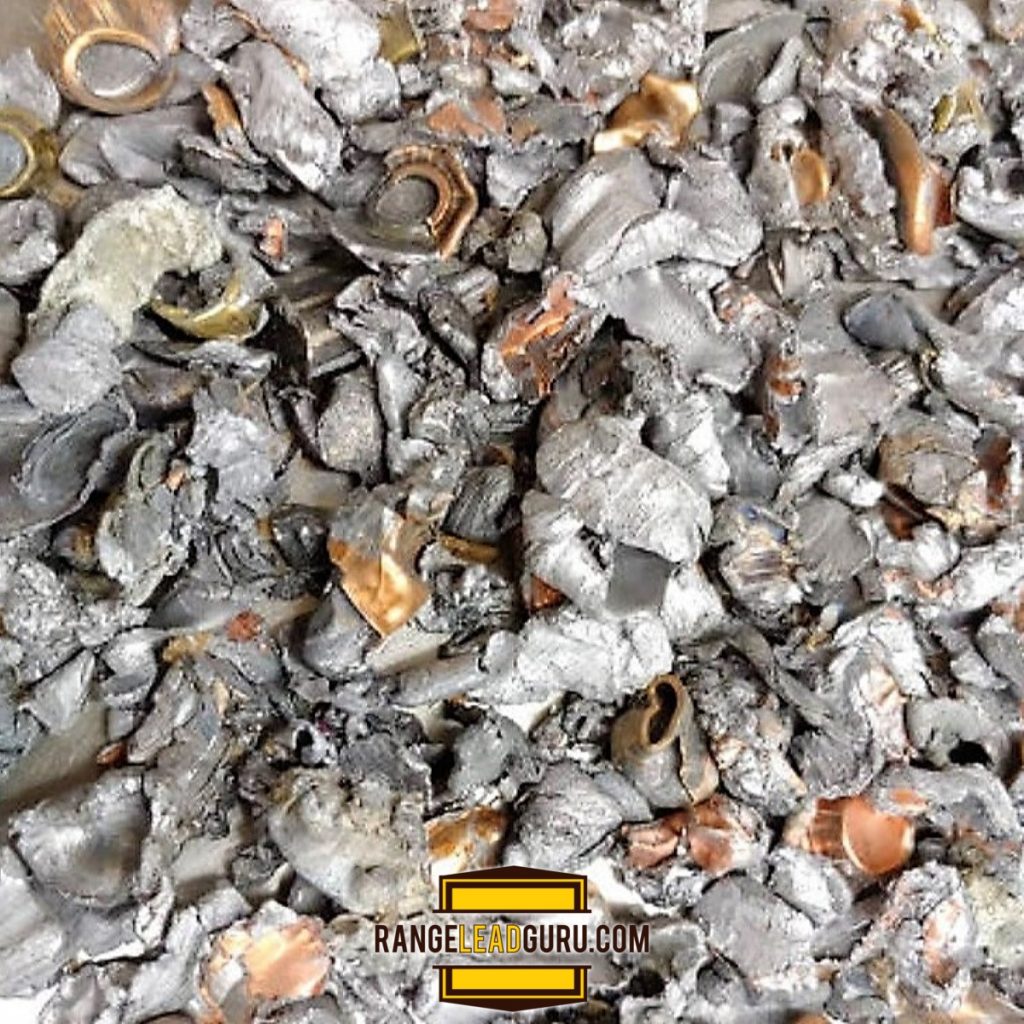
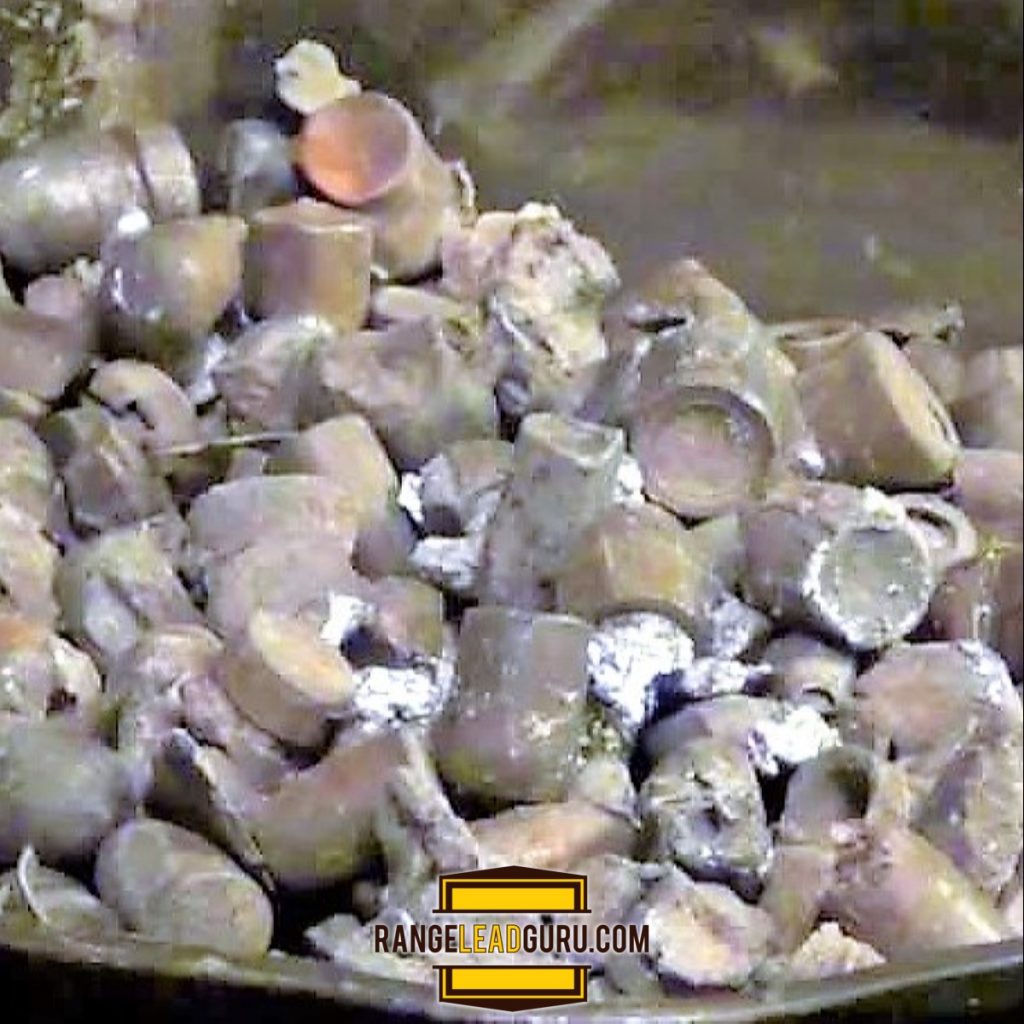
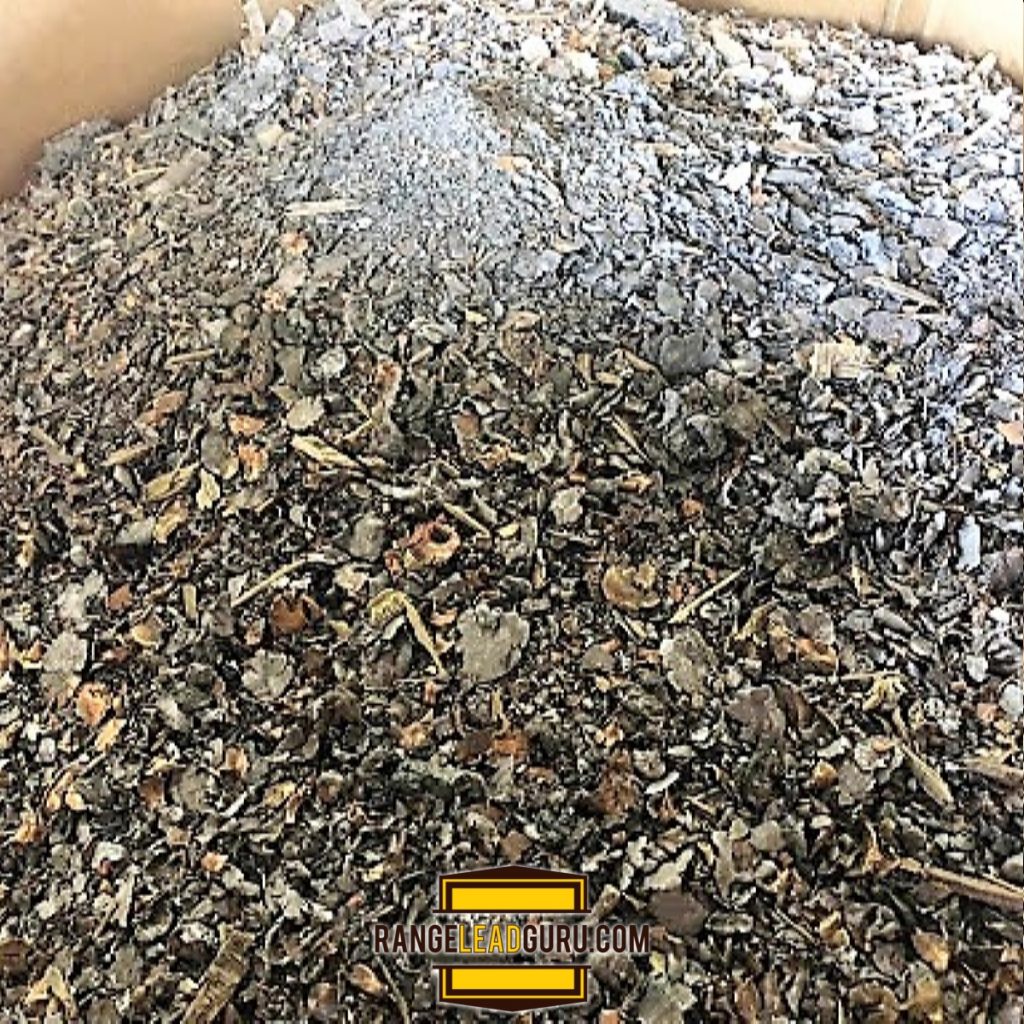
Ammo must be idle to be reused. Live cartridges can’t be reused in light of the fact that they may detonate. The lead slug in live ammo pollutes the shell’s brass; in this way, recyclers think that its difficult to isolate lead from brass. The one major thing to focus for your recycling is to make sure you are using a certified scrap brass shells recycler. The brass shell packaging recycling framework comprises of:
-
Shells being sorted by material. Shell alloys are usually produced using
brass
, aluminum or steel. Occasionally, they are plated with chrome, nickel, silver or even gold.
-
After being sorted, the shell must be removed.
-
Shells are “popped” in a high-temperature kiln subsequent to being sorted. This forces any live rounds to explode.
-
After the shells are put in a special bin to cool, a quality control supervisor verifies the shells.
-
Then, the shells are cleaned. Cleaners rinse the shells to expel as much lead and dirt as possible.
-
Inspectors run the clean and “popped” shells through a shaker table. This verifies what live rounds and other unwanted materials should be removed.
-
Next, a hammer mill or shredder takes the shells and deforms them into smaller pieces. Then an aggregator machine takes these pieces and loads them for transportation.
-
Finally, the shells are taken to a brass mill. Here, they are melted, combined and mixed with metallic elements to accomplish a specific blend. Then, the shells are formed into rod or ingot.
We buy scrap brass cartridges from wherever in the United States. On account of transportation costs, recycling brass shell casings that are further away can represent an issue. In any case, we will work with you to beat the difficulties. Recycling brass shells is our specialty. Use our trustworthy services as a certified scrap brass shells recycler.
In the wake of fathoming the recycling procedure, it is fundamental to comprehend why this procedure is critical.